
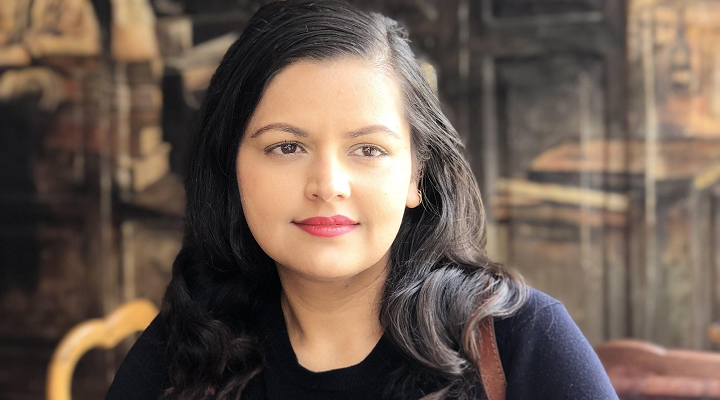
What made you want to do the work you do? Please share the full story.
I’ve always been interested in interior design since I was a child. I grew up in India; however, most of my adult years were lived in the San Francisco area. As an adult, I found myself arranging furniture (in a new order), experimenting with color and decor, and figuring out how to improve functionality while making the room look more pleasing.
My big moment happened when I completed designing my first home. All the time, friends and family would say “who did your house” and they encouraged me to believe that if something you enjoy doing becomes a job, you will be happy at work.
It was 2008 when my partner and I decided to begin our company, Kanika Design, as a six month experiment while we continued to work two full time jobs. At the beginning we took on all types of projects, residential and commercial. We gained experience and knowledge about what inspires us.
As time went by, I figured out residential design was my niche. Residential design is very personal and I love creating rooms that represent clients’ lifestyles, personalities, etc.
Additionally, traveling has greatly affected my creativity. I have traveled to over 64 countries and have been able to draw inspiration from various cultural influences, architectural styles, craftsmanship techniques and traditional designs.
Nowadays, Kanika Design provides full service residential furnishings and larger remodels throughout the entire San Francisco Bay Area.
How is AI changing your business? What changes are you making to adapt?
The Interior Design Industry Is Changing due to New Ways Technology Provides for Visualizing Spaces, Exploring Creative Ideas and Simplifying Processes Associated with Design. While I consider this an opportunity to use technology in a positive way; I am also concerned about the loss of human interaction in the creation of unique designs.
Kanika Design’s focus has always been understanding each client’s lifestyle, personality, and specific requirements. We are looking into whether emerging technologies will be able to increase our efficiencies, provide additional design research tools, and create better methods for visualizing projects and creating plans. However, I do not feel that AI can replace the relationship building, intuitive thinking, and personal experience associated with developing a true home environment. A designer understands emotional connections, values the artistry involved in crafting products, identifies real world problems that need to be solved and makes intentional decisions based on knowledge of people’s lives; all things technology does not currently or likely ever will do completely.
We are looking to adapt appropriately as new ideas emerge and integrate those that are beneficial to the business while continuing to emphasize creativity, originality and personalized customer service through which Kanika Design has defined itself. I believe that the potential future of interior design is finding a proper equilibrium between technology and human professional talent.
Tell us about a time where you saw a surprising outcome that you did not expect.
In my entrepreneurial experience, one of the most surprising results was that something that I have always done with ease, and without realizing it, can be transformed into a profitable business.
I simply followed my passion when designing my first home; I did not realize that this would result in a career. My enthusiasm for designing homes and the positive responses by friends and family to the beauty and functionality of each space led me to view my creativity through a new lens.
This inspiration encouraged me to start Kanika Design in 2008 as a “six month experiment” when my partner and I were still employed at full time positions. We did not know if it would grow beyond its initial experiment status.
The greatest surprise was that this small experiment grew into a well-established residential interior design firm providing services to homeowners throughout the San Francisco Bay Area.
One of the biggest lessons I learned from my experience is that some of the best entrepreneurial opportunities are found by seeing the opportunity in what you enjoy. A personal passion has grown into a fulfilling entrepreneurial journey which continues to motivate me today.
What is a habit you try to stick to and how has it helped you?
One habit that I have made an effort to continue in my career is being organized and dividing large-scale tasks into a series of smaller tasks. Staying organized allows me to focus on one thing at a time, keep all of my priorities straight and be able to approach any challenge with confidence knowing I am capable of handling it. I make sure to take breaks from the daily routine by meditating, traveling and focusing on other things I enjoy. By maintaining this balance, I am able to stay engaged, inspired and motivated throughout my day and overall during my time at Kanika Design.
What achievement are you the proudest of and why?
My most important accomplishment was developing Kanika Design from a six-month trial in 2008 into a successful home interior design firm located within the San Francisco Bay Area. From my initial enthusiasm for interior design, it has evolved into a successful and rewarding business based upon creativity, perseverance and building trust with each of my clients.
One thing I am particularly proud of is the various homes that were designed by us and how those homes improved many aspects of our clients’ daily lives. To me, being successful is not just about expanding a business but about establishing an enduring body of creative work.
What advice would you give to your younger self and why?
I would inform my younger self to listen to her gut instincts, to embrace all opportunities of challenge, and to never be afraid to take the risk. My experiences when starting Kanika Design in 2008 were not without their struggles; however, with each struggle, I grew as an individual.
I would also advise myself to develop a better work-life balance and create solid systems for running my businesses sooner rather than later. Most important of all, I would remind myself it takes time to achieve your goals; therefore, being curious, flexible and passionate about what you are doing is what will make the process worthwhile.
Who has been your biggest mentor in life (personal or professional) and how have they helped you?
I have received guidance from several individuals as I progressed through this process; however, my greatest source of encouragement has been my partner, Adi.
My partner’s experience with technology and operations has provided me with a unique point of view for our company which has helped create balance to my creative approach to developing Kanika Design.
Through working together we have learned the value of teamwork, how to solve problems and how to maintain both the creativity and the structure that is required for success. His help has greatly assisted in the growth of Kanika Design during the time it has been operating.
Are you willing to be a mentor? If so, how should someone contact you?
I am always happy to share my experiences and thoughts about entrepreneurship and creative work with people who are looking to start their own business or creative career. I think mentoring is a great way to help others grow as creative professionals, come up with new ideas, and give something back to the community.
If you would like to connect and possibly find ways to learn from me either as a guide or just as someone that shares your interests, please go to the contact page of my website, listed below.