
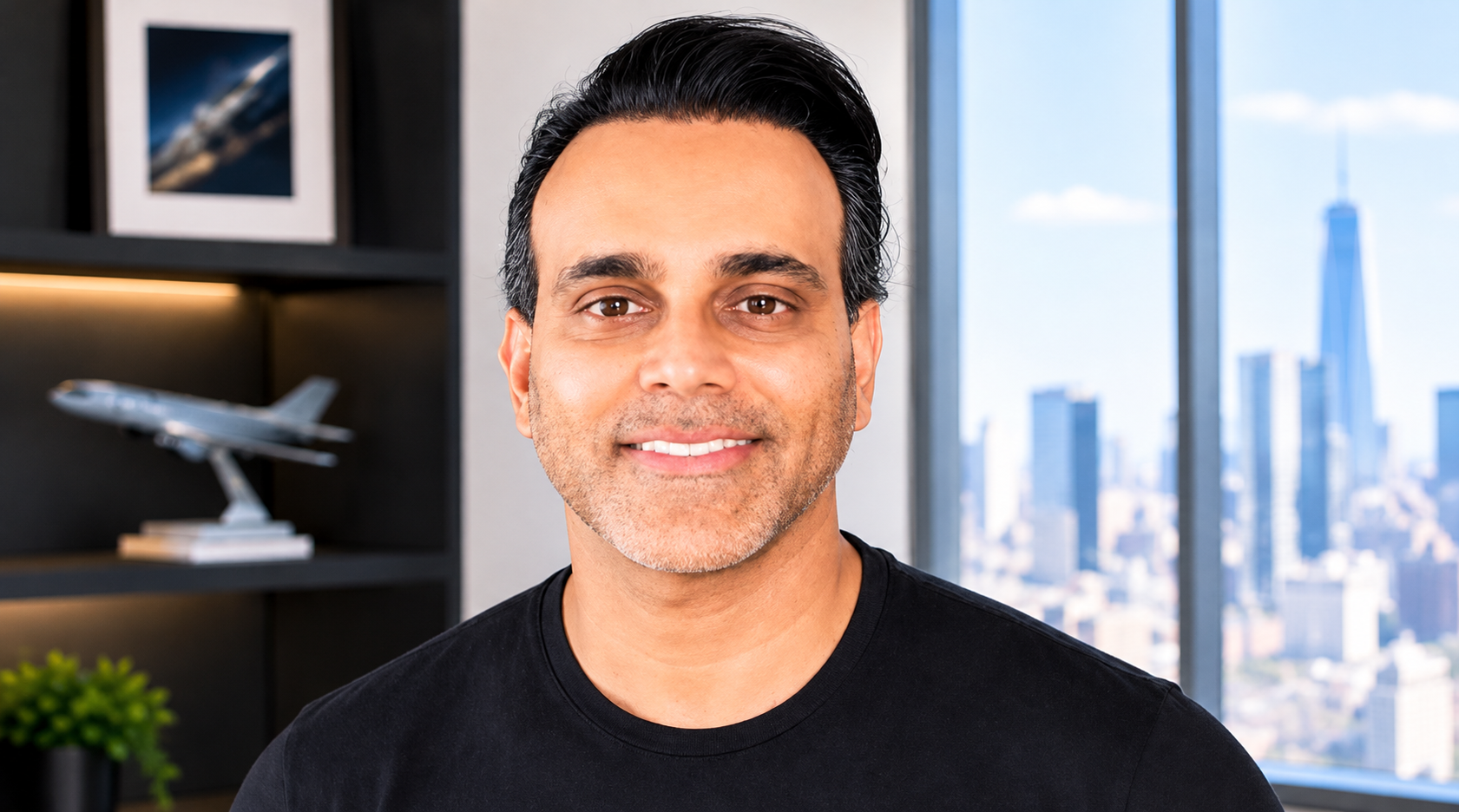
What made you want to do the work you do? Please share the full story.
I wanted to help people for as long as I can remember, and medicine was the most direct way I knew to do it. I went to Nova Southeastern for medical school, did my internal medicine residency at Michigan State, where I ended up as Chief Resident, and then went out to Utah for my cardiology fellowship. Interventional cardiology gave me the chance to fix a problem in real time, which I loved and enjoyed. Over the years I also realized that business could help people on a different scale, through the jobs it creates and the problems it solves. That is what led me to start Impero, RGH and EMAC alongside my medical work.
How is AI changing your business? What changes are you making to adapt?
At Impero Capital Holdings, AI has changed how a small team can run a holding company. We own and operate businesses across real assets, science and technology, healthcare and specialty finance, and each one generates its own stream of statements, filings, deadlines and documents. We now use AI assistants to sort and file that paperwork, reconcile accounts, track compliance dates and put together a daily briefing, so I start each morning knowing what needs my attention instead of hunting for it. On new opportunities, it helps us read through large stacks of documents much faster in due diligence, but the decision to invest is still ours. The way we’ve adapted is simple: let the technology do the gathering and organizing, keep people responsible for judgement, and always check the work.
Tell us about a time where you saw a surprising outcome that you did not expect.
The most surprising outcome in my career had nothing to do with medicine. It was ending up in the film business. My close friend at Bee Hive productions introduced it to me and I went in thinking of it as an investment, and maybe a fun side project. I never expected to end up as an associate producer on two films, Sacramento and The Astronaut, or how much I would learn from the process. Making a movie turned out to be a lot like running a hospital team. Dozens of specialists, each excellent at one thing, all have to work on a tight schedule toward one result, and one weak link can hold everyone up. Seeing the finished films on screen was a feeling I didn’t see coming. The biggest lesson was to stay open to opportunities outside your field, because the skills you already have often carry over in ways you’d never predict.
What is a habit you try to stick to and how has it helped you?
Exercise every day, no matter what. It’s the one appointment I never cancel, because it keeps my head clear and my energy steady through long days. The other habit is keeping detailed notes. Early in my career, sloppy documentation caused billing problems that took a long time to sort out. Since then I write everything down, and it has saved me more times than I can count, in medicine and in business.
What achievement are you the proudest of and why?
I am especially proud of Aerospace Research Center. ARC does proton radiation-effects testing Before anything electronic goes into space, it has to be tested against the kind of radiation it will face up there, and very few places in the country can do that testing. When we started, I had no idea it would put us side by side with one of the largest space companies in the world. Working with them was tough. Their standards are extremely high, their timelines are tight, and they expect you to keep up. completing the center and machine was a major obstacle with deadlines and regulations. It stretched me as a businessman and as a person. A physician who started out fixing hearts was suddenly learning the language of satellites and launch schedules. But it was one of the most rewarding things I’ve done. It grew the business, it taught me how to build to a world-class standard, and it showed me that the discipline I learned in medicine carries over to just about any field.
What is your favorite book and why?
My favorite book is Getting to Yes by Roger Fisher and William Ury. I first read it when i was negotiating with large Fortune 10 companies, and I’ve gone back to it many times since. Its core idea is simple but powerful. Separate the people from the problem, and focus on what each side actually needs instead of the positions they’re arguing over. That changed how I negotiate everything, from leases and partnerships at Impero to tough conversations with patients and their families. The other lesson I use constantly is knowing your best alternative before you sit down at the table. If you know what you’ll do if there’s no deal, you never feel pressured into a bad one. It’s a book about business, but really it’s about respect, and that’s why it has stuck with me.
What advice would you give to your younger self and why?
Don’t take yourself so seriously. I spent years so focused on studying and training that I missed a lot of life happening around me. Hard work matters, but so do the people and the moments you only get once. You can buy anything but time.
Who has been your biggest mentor in life (personal or professional) and how have they helped you?
My Residency director who helped me become a leader. She was very motivating and saw skills in my that I did not see yet.
Are you willing to be a mentor? If so, how should someone contact you?
Of course. I’m happy to talk with young physicians, or anyone thinking about combining medicine with business. The best way to reach me is through social media.