
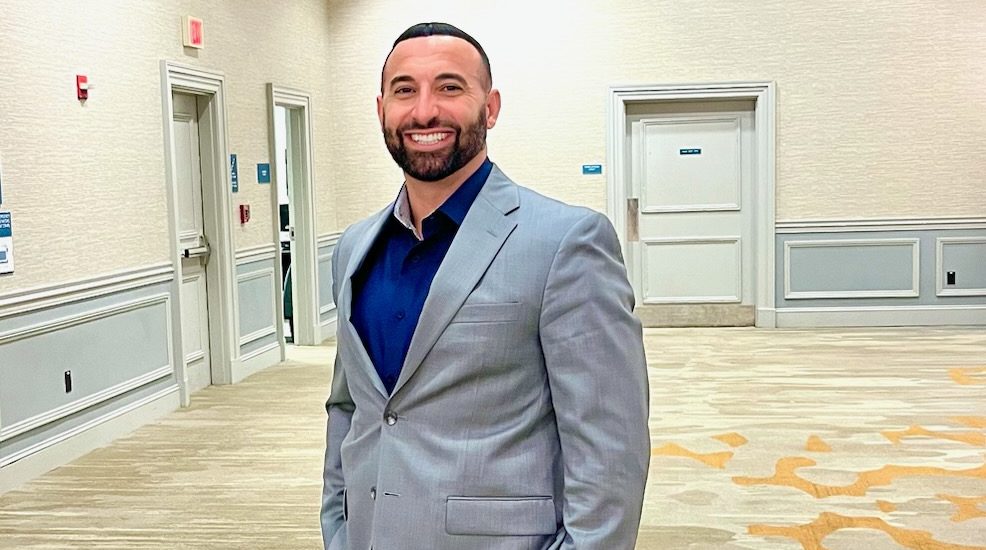
Christopher Mertz is a Florida based program management professional whose leadership is grounded in faith, discipline, and service. He approaches each day with intention, beginning with prayer and reflection to establish clarity, focus, and purpose before engaging in the demands of work. Guided by the belief that discipline outlasts motivation, Christopher brings structure, accountability, and consistency to every project he leads. As a leader, Christopher is known for pairing strategic execution with humility and collaboration. He believes effective leadership is built on trust, calm decision-making, and a commitment to steady progress.
His professional philosophy has been shaped by experience, including a defining career setback that strengthened his resilience and sharpened his perspective on growth. For Christopher, failure is not an endpoint but a formative step toward wiser and more intentional leadership. Beyond his professional role, Christopher is a devoted father who views family as the foundation of meaningful leadership. Time spent with his daughter and loved ones keeps him grounded and reinforces the values he strives to model each day. He is also deeply invested in mentoring young men across Florida, with a focus on character development, personal responsibility, and long term growth. Christopher measures success through balance. Professional excellence, strong character, and service to others remain central to his life and work.
How does starting your day with prayer and reflection shape your mindset before work?
I start every day with prayer and reflection because it centres me before anything else competes for my attention. That quiet time helps me align my thoughts with purpose instead of pressure. It allows me to begin the day focused on what truly matters. I am reminded that my work is a form of service, not just a list of tasks. When challenges arise, I respond with intention instead of reaction. That clarity carries into my meetings, decisions, and interactions throughout the day.
What does the belief that discipline outlasts motivation look like in your daily work habits?
For me, discipline means showing up consistently, whether I feel inspired or not. Motivation is emotional and comes and goes. Discipline is a decision I make daily. I rely on structures such as schedules, prioritized task lists, and regular check-ins to stay focused. Even on difficult days, I execute the fundamentals. I plan carefully, communicate clearly, and follow through. That consistency builds trust with my teams and keeps projects moving forward. Over time, discipline compounds and turns steady effort into lasting progress.
How do you stay grounded when work-related pressure increases?
Pressure is a constant part of leadership and program management. I stay grounded by reminding myself that urgency does not require panic. I focus on what I can control, which includes preparation, communication, and sound decision-making. When stress increases, I slow down instead of rushing. I take a moment to reset through prayer or reflection. Calm leadership creates clarity for others. Managing pressure well is about responding with discipline and perspective.
How did a professional setback reshape your understanding of resilience and failure?
One of my most challenging professional setbacks reshaped how I view failure. At the time, it was difficult and humbling. It forced me to examine my leadership and address areas I had overlooked. I learned to separate my identity from outcomes. I shifted my focus toward growth and learning. That experience strengthened my resilience. It showed me that recovery and improvement are always possible. Today, I see setbacks as preparation for better leadership and stronger character.
How do you define productivity and protect your focus during the workday?
Productivity means making progress on the things that matter most. It is not about appearing busy. A productive day is one where priorities are clear and meaningful work is completed. I protect my focus by planning intentionally and reducing distractions. I schedule time for deep work and limit unnecessary meetings. I review my goals regularly to stay aligned. Productivity is about being a good steward of time, energy, and attention.
How has fatherhood influenced your leadership style and perspective at work?
Fatherhood has had a profound influence on how I lead. Being a father teaches patience, empathy, and consistency every day. It reminds me that people bring their full lives to work. I am more intentional about how I communicate and support others. At home, my daughter learns from what I do. The same is true for teams I lead. Fatherhood keeps me grounded and reinforces that leadership is built on presence, responsibility, and long-term impact.
What do young men most need guidance on today, and how do you approach mentorship?
Many young men today are searching for direction and accountability. They often lack consistent role models who demonstrate discipline and integrity. My approach to mentoring is relational and honest. I focus first on character development. Integrity, responsibility, and consistency come before success. I do not position myself as someone with all the answers. I walk alongside them and challenge them to grow into who they are capable of becoming.
How do you see the future of program management and leadership evolving?
The future of program management will require more than technical skill. Leaders will need emotional intelligence and strong ethical foundations. Collaboration and transparency will become even more important. Leadership will continue to move toward a people-centred approach. Authority alone will no longer be enough. Trust and service will define effective leadership. While tools and systems will evolve, character will remain essential.
What books or podcasts have influenced your approach to leadership and personal growth?
I gravitate toward books and podcasts that challenge me to grow in faith, leadership, and discipline. I value content that emphasizes character, responsibility, and purposeful living. I do not consume information casually. I aim to apply what I learn in practical ways. The resources that impact me most encourage reflection and action. They help me become a better leader, father, and member of my community.
What does a well-lived life look like to you today, and what advice would you share with others?
A well lived life is intentional and balanced. It includes professional excellence without sacrificing family or character. Success means being faithful to my responsibilities and present with those I love. It also means serving others with consistency and humility. I want to be remembered as someone who kept his word and invested in people. My advice is to pursue growth without compromising values. Build steadily and lead with integrity.