
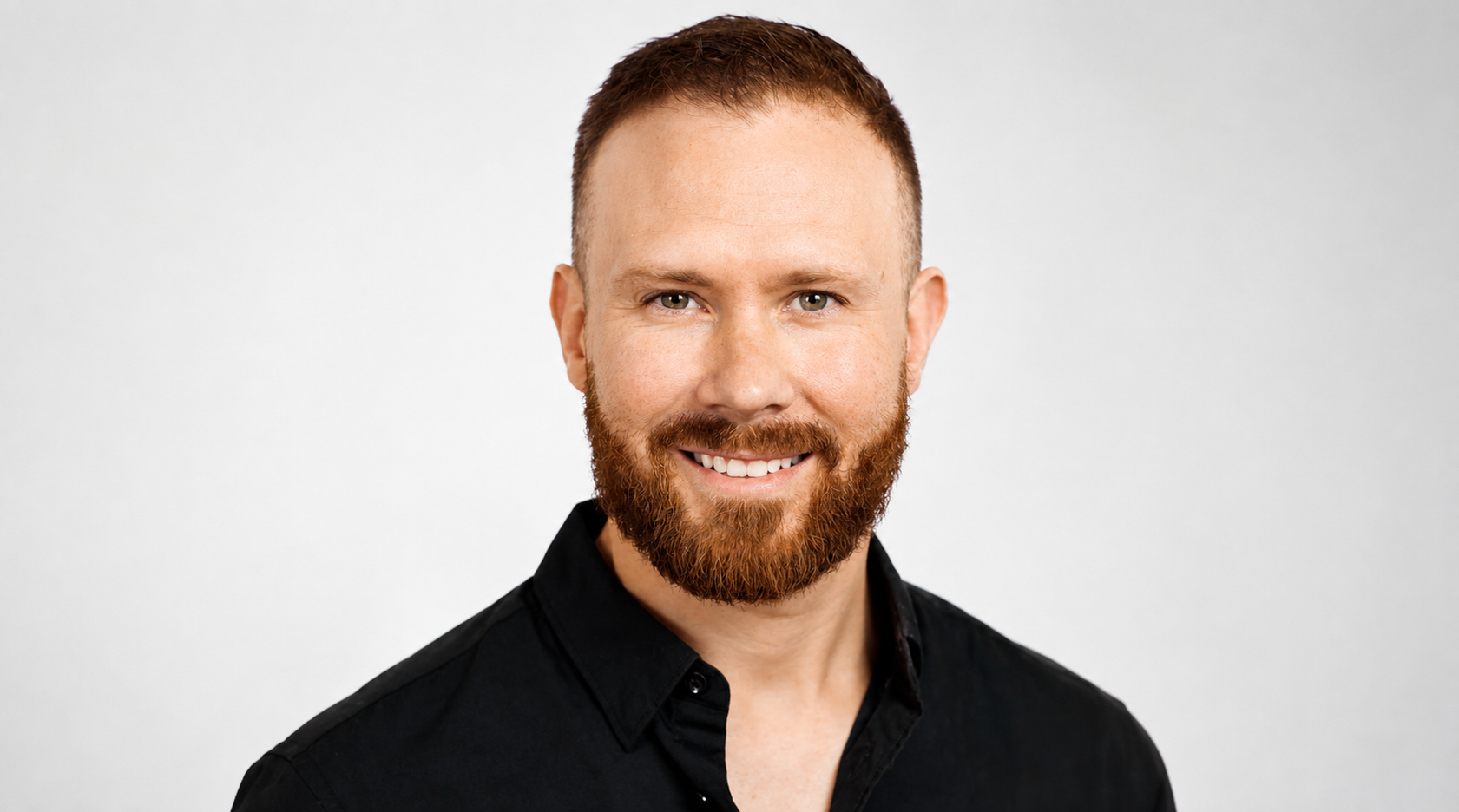
What made you want to do the work you do? Please share the full story.
I was in a war-torn classroom in Iraq back in 2016, and something about that moment reframed everything for me. I’d spent years doing intelligence work, reading signals other people missed. That same instinct made me want to build something that actually helped people instead, which is how I ended up in healthcare marketing.
How is AI changing your business? What changes are you making to adapt?
AI made content production faster for everyone, which means it also made most content forgettable. We built Mosaic SEO to fight that, using AI to build hyper-localized landing pages instead of generic copy. The shift isn’t about writing more. It’s about writing things competitors can’t just copy.
If AI is impacting your business, please tell us 3 things you expect to change in the near future.
First, I’ve already seen practices lose rankings this year because they kept publishing the same generic blog posts everyone else was writing, and AI just makes that mistake more visible faster. Second, agencies that can’t show real numbers will lose ground fast. We’ve already secured over 20,000 first-page rankings by using original data instead of recycled content, and that gap only widens as AI floods search results with sameness. Third, I think most agencies serving five different industries at once are going to get squeezed out within a few years, because staying broad worked when content was scarce and it doesn’t work anymore. We only do healthcare, and that focus is becoming the actual advantage.
What are the three things you need in work to achieve purpose? Why are they important to you?
First, real accountability. We run on EOS with Level 10 meetings, and without that structure, good intentions never turn into results. I learned that the hard way early on. Second, a team that questions me, not one that just agrees. Third, a client base I actually believe I’m helping. That’s why we only work with healthcare practices. The mission has to mean something beyond the invoice.
Tell us about a time you were dead wrong about something.
Early on at Direction, I assumed a few campaigns would deliver certain results because the strategy looked right on paper. They didn’t. My instinct was to look at what went wrong externally, but I caught myself doing that and stopped. I took the blame myself instead, asked what I could’ve done differently, and used that to rebuild the offering. I was wrong about trusting a plan just because it looked good on paper, and that lesson stuck.
How do you get yourself out of a funk? Please share the details.
For me, it comes down to prioritization. I figure out what actually moves the needle and let go of the rest, at least for a day. Physical fitness and time with my family aren’t optional for me, they’re what keeps me level. When I’m off, it’s usually because I let one of those slide, so getting back to a workout or just being present with my family resets things fast.
What do you value most and why?
Trust, above almost everything else. I spent years in intelligence work learning how fast trust breaks and how slow it is to rebuild. That shaped how I run Direction. We only work with healthcare practices because that’s an industry where trust isn’t optional, it’s the entire product.
What are you doing that is difficult? Please explain.
Scaling Mosaic SEO without losing what makes it work. It’s built on hyper-localized, genuinely unique pages, and the hard part is keeping that quality as we take on more clients. Most agencies solve growth by cutting corners. I’m trying to prove you don’t have to.
Who is your favorite motivational speaker and why?
There is no specific one. But I try to listen to advices from Rand Fishkin, Brian Dean and Neil Patel since we are all in the same field.
What advice would you give to your younger self and why?
I’d tell myself to take responsibility for everything, even the stuff that’s out of my control. That one sounded backwards to me when I first heard it, why should I own something I couldn’t have stopped? But it changes how you move through setbacks. Instead of looking for what went wrong outside of you, you start asking what you can learn and do differently. I didn’t operate that way early in my career, and I wish I had. It would’ve saved me a lot of wasted energy pointing at circumstances instead of fixing what I actually controlled.
Are you willing to be a mentor? If yes, what is the best way to reach you?
Yes. I mentor founders working through early-stage growth, especially anyone building in a niche market. The best way to reach me is through Direction.com and my email is: chriskirksey@direction.com
Just for fun, what is your favorite food?
Cheese burgers. Period.