
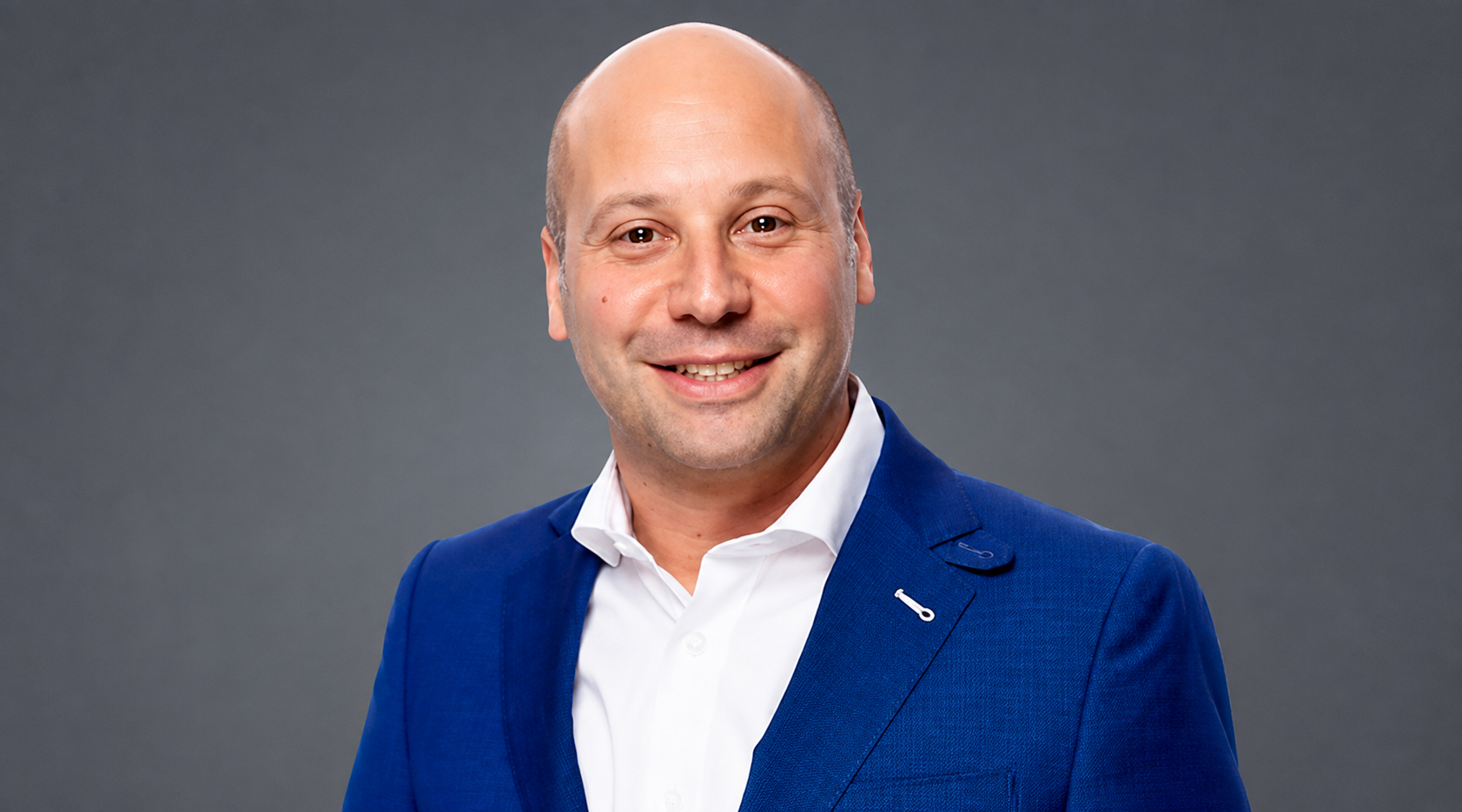
What made you want to do the work you do? Please share the full story.
I started out on the business side, doing international tax consulting for Canadian multinationals at a firm before law school even entered the picture. The MBA came first in my head, the JD came second, and for a while I figured I would end up doing cross-border tax work for the rest of my career. What pulled me toward family law was watching how differently people behave when money stops being abstract and starts being their house, their kids’ school, their retirement. Tax clients treated numbers like puzzles. Divorce clients treated numbers like survival. I realized I wanted to work with people at the point where the stakes were personal, not corporate, and family law was the place that fit both halves of my training, the legal and the financial, at the same time.
Tell us 3 surprisingly easy and 3 surprisingly difficult things about your business.
Surprisingly easy: explaining property division math to clients once you strip out the jargon, getting opposing counsel to agree on parenting schedules when both sides just want stability for the kids, and spotting which cases will settle within the first two client meetings. Surprisingly difficult: convincing a client that a fair deal isn’t the same as a perfect deal, managing a Children’s Aid Society file where the timeline is dictated by the agency and not by us, and keeping seven office locations across the GTA running with consistent quality when each city has its own court culture and local practices.
What are the 3 things you like best about your work and why?
I like the moment a client stops flinching when their phone rings, because that means the conflict is finally behind them and they can plan a life again. I like matrimonial property work specifically, because it’s the one corner of family law where my finance background actually gets to do heavy lifting, tracing assets, valuing a cottage, figuring out what a pension is actually worth at separation. And I like CAS cases more than most lawyers admit to liking them, because the client is often at the lowest point of their life and a win there isn’t a paycheck, it’s a kid going home.
What are your greatest 3 skills and how have they helped you succeed?
Reading a balance sheet before a courtroom, financial literacy from the MBA lets me catch things opposing counsel misses on property division, especially with business owners or anyone with investment property. Translating legal risk into plain language, which sounds simple but is the actual skill that gets nervous clients to make good decisions instead of panicked ones. And knowing when to stop negotiating and file a motion, which took years of watching cases drag on for no reason to develop, because a lot of lawyers keep talking past the point where talking helps.
Tell us about a time you were dead wrong about something.
Early on I advised a client to hold firm on keeping the matrimonial home instead of taking a buyout, because on paper the equity looked like the better deal. I was doing the math right and missing the point entirely, she couldn’t afford the carrying costs on her own income and ended up selling within eighteen months anyway, at a worse price than the buyout would have given her. I learned that a technically correct financial recommendation is worthless if it ignores the client’s actual cash flow and life circumstances, and now I run that stress test on every property case before I recommend anything.
What is the biggest challenge you face each day and how do you handle it?
The biggest challenge is triage, deciding which of the fires in front of me actually need to be put out today versus which ones just feel urgent because a client is anxious. Family law clients are often calling from the worst week of their lives, so everything sounds like an emergency even when it isn’t procedurally one. I handle it by front-loading expectations at intake, telling people exactly what timeline the court process actually runs on, so panic doesn’t drive decisions that the calendar doesn’t require.
What do you value most and why?
I value directness, telling a client the truth about their case even when it’s not what they want to hear. Family law attracts a lot of false hope selling, lawyers who promise outcomes to close the client and then walk it back six months in. I’d rather lose a prospective client in the first meeting than win one on a promise I can’t keep, because the relationship only works if the trust survives the parts of the case that go badly.
What achievement are you the proudest of and why?
The CAS case, Children’s Aid Society of Toronto v. C.D., where we defeated their motion to keep a child out of the mother’s care. That one sticks with me because the stakes weren’t financial, they were about whether a kid went home to their parent, and the system is stacked heavily toward the agency’s position by default. Winning that motion meant proving the agency’s own evidence didn’t support their ask, which took a level of preparation most family files never demand.
What is your favorite book and why?
Getting to Yes by Fisher and Ury, which I read during my MBA years before I ever set foot in a courtroom. It reframed negotiation for me as interest based instead of position based, which sounds like a textbook concept until you watch two divorcing spouses fight over a couch neither of them actually wants, because the couch has become a proxy for something else entirely. That lens is still how I open almost every settlement conversation, find out what people actually need underneath what they’re asking for.
What advice would you give to your younger self and why?
Slow down on the settlement pressure. Early in my career I pushed clients toward resolution faster than some of them were emotionally ready for, because efficient case management felt like good lawyering. Some clients need the process itself, the time to feel heard in a deposition or a case conference, before they can actually agree to terms that are otherwise reasonable. I’d tell my younger self that a fast settlement isn’t automatically a good settlement if the client signs it just to make the discomfort stop.
Who has been your biggest mentor in life (personal or professional) and how have they helped you?
A senior partner at the consulting firm I worked at before law school taught me to always ask what the actual number means to the person across the table, not just what it means on a spreadsheet. He was a tax guy, not a family lawyer, but that habit transferred directly into custody and property negotiations. He’d say a number is just a number until you know whose life it’s attached to, and I think about that in almost every property division file I touch.
Just for fun, what is your favorite food?
Montreal style smoked meat, the kind you get at a proper deli with the fat still on it. There’s a place in Toronto that does it right and I end up there more than I’d probably admit to my cardiologist.