
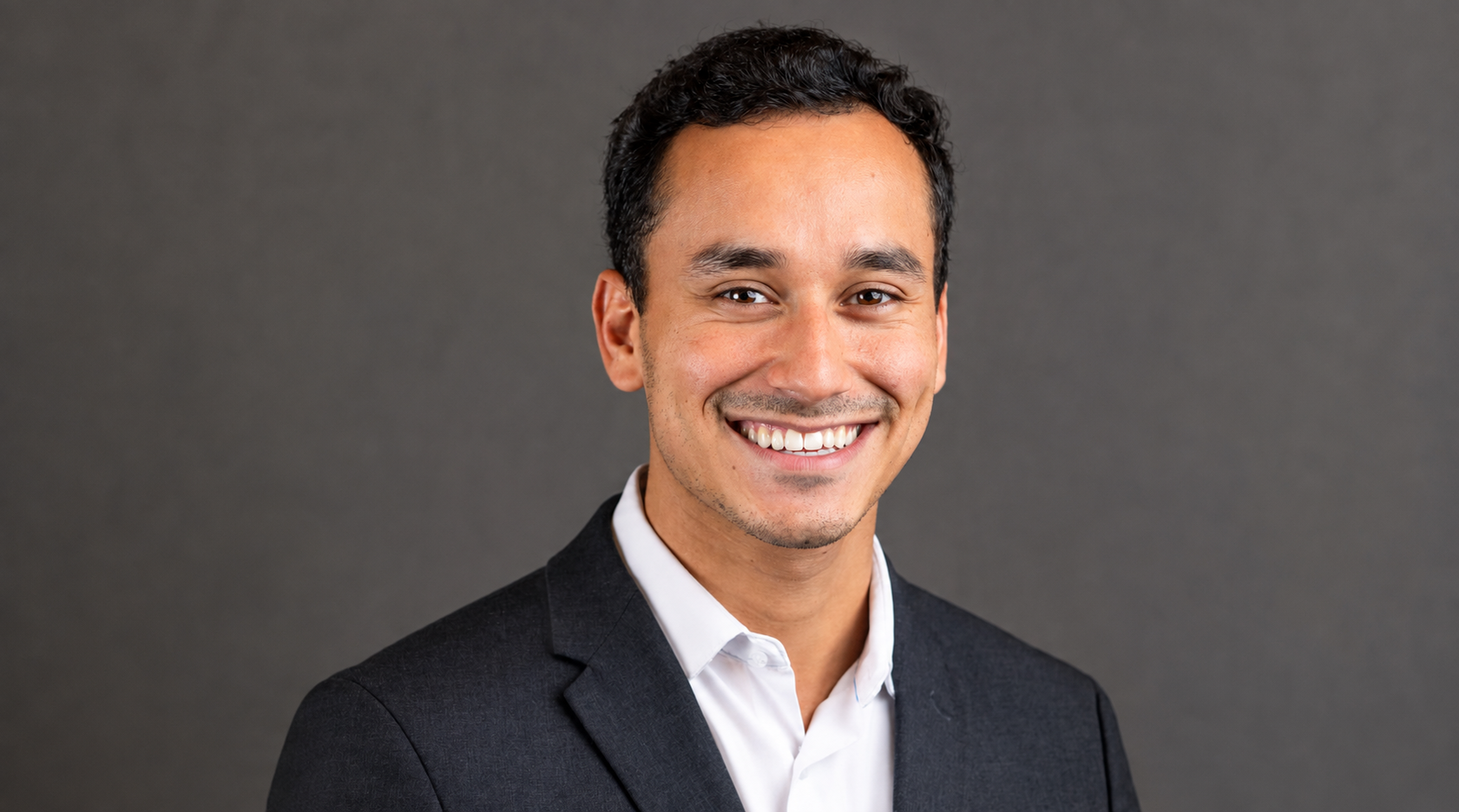
What made you want to do the work you do? Please share the full story.
I started at DMI Aviation as a warehouse assistant back in 2014, tracking incoming and outgoing tire inventory in Excel during summers while I was still in school. I remember counting Boeing 777 tires by hand in a 23,000 square foot facility, matching serial numbers against paperwork so nothing shipped without proper traceability. That job put me right next to a business my family had spent almost two decades building by then, and it made me curious about the sales and client side, not just the warehouse floor.
Over the next several years I tried other things. I ran an Amazon fulfillment store out of my house, shipped over 2,000 orders with a 99.8 percent success rate, and later managed an event company with 47 promoters working nightclubs and venues across Miami. Each one taught me something different about running a business, but when the chance came to step into sales at DMI in 2024, it felt less like starting over and more like finishing something I’d already spent a decade learning from the ground up.
Tell us 3 surprisingly easy and 3 surprisingly difficult things about your job.
Client relationships came easier than I expected, since most operators I work with just want a straight answer on lead times or stock, not a sales pitch. Automating our internal processes was surprisingly simple too, since most of it just meant replacing a manual step someone used to do in a spreadsheet with a system that updated on its own. Redesigning our website to show live stock availability also went smoother than I thought, mostly because I already knew our inventory system inside and out from tracking it by hand for years.
The hard parts hit differently. Managing FAA traceability documentation, like 8130-3 forms and EASA Form 1s, takes real precision, since one missing signature can hold up a shipment an airline is waiting on to get a plane back in the air. Running a team of about ten people means turning down business we simply don’t have the hands to fulfill, which is a harder call than it sounds. Hardest of all is staying steady on a call when a client tells me a plane is grounded waiting on a part we’re still sourcing.
What are the 3 things you like best about your work and why?
Working alongside family tops the list, since my father built this company back in 1996 and I get to keep building on something that already has thirty years behind it. I also like solving specific logistics problems, like figuring out how to get a wide body tire to a cargo operator in Latin America faster than the standard shipping timeline usually allows. Every request is a little different, and that keeps the work from feeling repetitive.
The third thing is watching automation free up real time for client conversations. Before we automated stock tracking, I spent hours some days just answering the same availability questions over email. Now that runs on its own, and I spend that time actually talking to clients about what they need next.
What are your greatest 3 skills and how have they helped you succeed?
Adaptability sits at the top, built from moving between warehouse work, running an Amazon store, managing 47 event staff, and now sales, all within about a decade. That habit of adjusting fast helped me step into Head of Sales in 2024 without needing months to find my footing, since I’d already learned to pick up new systems quickly. Attention to detail comes second, sharpened from years of matching tire serial numbers to paperwork by hand before any automation existed here. That habit still shows up when I’m double checking an EASA Form 1 before a shipment goes out to Latin America.
The third is reading hesitation in a conversation, sharpened from managing a large event staff where a promoter’s tone on a call often told me more than their words did. That same instinct now catches when a client sounds unsure on a pricing call, even when they say everything’s fine.
Tell us about a time you were dead wrong about something.
Early in my role, I assumed our biggest clients needed the most attention, so I spent most of my time managing the two or three accounts with the largest order volumes each month. A smaller regional account, one that ordered maybe once a quarter, left for a competitor without much warning. When I called to ask why, the owner told me he’d emailed twice about a delayed shipment and never heard back from anyone on our side for almost two weeks.
That was hard to sit with, since I genuinely thought volume was the right way to prioritize my time. Since then, I’ve set a simple rule for myself, every account gets a response within 48 hours, regardless of how much they order each month.
What is the biggest challenge you face each day and how do you handle it?
The biggest challenge is balancing urgency against accuracy, especially when a client calls about an AOG situation and needs a tire fast. I remember one call where an operator needed a specific wide body tire within hours because their plane was grounded, and rushing the paperwork wasn’t an option since FAA traceability documents still have to be exact. I handle it by keeping a mental checklist I run through every time, confirming stock, pulling the right Certificate of Conformance, and verifying the 8130-3 form before I even quote a shipping time.
That system keeps me from promising something I can’t actually deliver on time. It also means I sometimes have to tell a client the honest timeline instead of the one they want to hear, which isn’t always the easy conversation, but it’s the one that keeps trust intact long term.
What is a habit you try to stick to and how has it helped you?
I check every account, not just the biggest ones, on a set schedule instead of only reaching out when something goes wrong. I started this after a smaller regional client left us because they felt ignored for weeks while I focused on our larger accounts. Now I set aside time every Monday to check in with at least a handful of smaller accounts, even if it’s just a quick message asking if everything’s running smoothly.
That habit has already caught two situations early, once when a client mentioned pricing pressure from a competitor before it became a real problem, and once when a shipment delay came up before the client even had to ask about it. Small, regular check-ins catch things a busy week would otherwise bury.
How do you celebrate your victories?
Honestly, I keep it simple. When we land a new client or close out a difficult shipment, like the AOG situation I mentioned earlier, I usually just tell my family over dinner, since most of them still work in the business too. My father built this company back in 1996, so a win now feels like it belongs to more people than just me.
For bigger milestones, like closing out a strong quarter, I’ll take my team out for a meal or drinks, since we’re a small group of about ten people and everyone’s effort shows up directly in results like that. It’s not elaborate, but it keeps wins feeling personal instead of just another number on a report.
What is your favorite book and why?
Generation to Generation: Life Cycles of the Family Business is the one that’s stuck with me most. It looks at how family companies move through different stages as leadership shifts from one generation to the next, and reading it felt like someone had written down patterns I was already living through at DMI without having language for them yet.
What stayed with me is how it frames succession as a gradual process rather than a single handoff moment. That matched exactly what happened here, since I spent years in the warehouse before ever stepping into sales, and the business itself kept evolving the whole time. It gave me a clearer way to think about where DMI is headed next, not just where it’s been.
What advice would you give to your younger self and why?
I’d tell myself not to assume that the accounts bringing in the most money automatically need the most attention. I learned that lesson the hard way when a smaller regional client left us because they felt overlooked for weeks, even though their order volume was never going to compete with our bigger accounts month to month.
I’d also tell myself that the years spent counting tires by hand in the warehouse weren’t wasted time before “real” work started. Those years taught me exactly how our inventory and documentation actually worked, and that knowledge is still the foundation for every decision I make now in sales.
Who has been your biggest mentor in life (personal or professional) and how have they helped you?
My father, Ramon, has been the clearest mentor in my life, since he built DMI Aviation from the ground up back in 1996 and still runs it today. Watching him navigate FAA compliance requirements and manage relationships with airline operators over decades taught me more about running a business than any class or internship ever could.
What stuck with me most is how steady he stayed during hard stretches, like when a shipment got held up or a client relationship got tense. He never panicked in front of the team, and that steadiness is something I actively try to carry into how I handle pressure now, especially on calls where a client’s plane is grounded and waiting.
Just for fun, what is your favorite food?
Adobo, hands down. My family makes it the way it’s been passed down for generations, and it’s one of those dishes that tastes like home no matter how busy things get at work.