
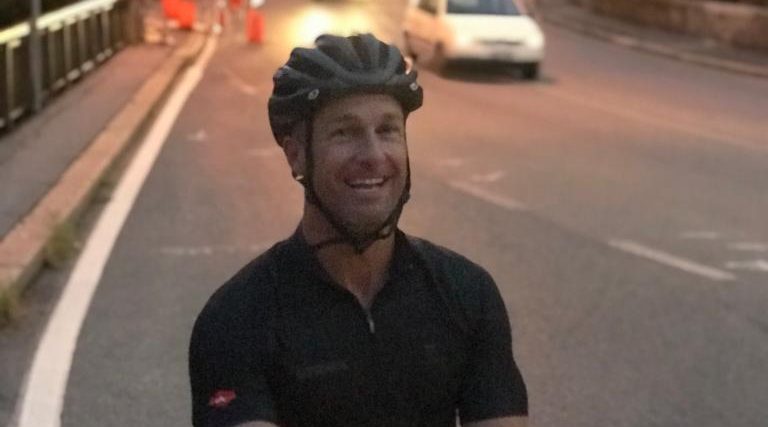
Whitney Reiter Captain has built a respected career as a maritime captain by combining technical skill, physical discipline, and a deep connection to the ocean. Known for his steady leadership and hands-on approach, he brings more than 22 years of experience navigating major waterways, managing crews, and overseeing complex yacht operations. A Miami native until the age of 36, Whitney started his path early, developing a strong work ethic shaped by long days on the water and a lifelong love for fishing, boating, and the outdoors.
A graduate of the University of Florida, Whitney holds a 1600/3000 Ton All Oceans Master license and has captained vessels across the Bahamas, the Caribbean, New England, the Mediterranean, and Central America. His experience includes running busy private programs, managing full refits, coordinating logistics for high-use families, and supervising large teams with a calm, capable presence. He continues to apply those skills today while spending time in Mexico aboard the yacht Next Chapter.
Whitney’s lifestyle mirrors the discipline required in his profession. He maintains a strict fitness routine, starting each morning at 6 a.m. in the gym to stay sharp and focused. He is active in pickleball and tennis, competes regularly, and enjoys hunting and offshore fishing. In January, he will team up with his daughter for a Hyrox competition, an experience he sees as both a personal challenge and a meaningful family milestone.
Driven by action, curiosity, and constant improvement, Whitney believes in learning from every situation and adapting as needed. He encourages others to stay active, stay aware, and keep asking questions. His steady mindset, paired with decades of practical experience, continues to make him a trusted captain and a strong leader in every program he supports.
You have overseen multimillion dollar operations and high use programs. What habits allow you to manage that level of responsibility without losing focus?
I rely heavily on structure and repetition. Large programs only feel overwhelming when there is no system in place. I build daily and weekly rhythms that create predictability for the crew and for myself. Financial oversight, maintenance planning, safety drills, and itinerary reviews all have designated space on the calendar. That consistency reduces stress because fewer things catch you off guard. I also protect time for quiet review, even if it is brief. Stepping back to assess the bigger picture helps me prioritize effectively. When habits stay strong, focus follows naturally, even when the workload increases.
When you step onto a new vessel or take over a new program, what is the first thing you evaluate?
The first thing I assess is culture. Equipment and systems can be upgraded, but culture determines how a program performs day to day. I observe how crew members communicate, how they solve problems, and how they treat each other under pressure. I also review safety protocols and maintenance standards right away. Those two areas tell you a lot about discipline and leadership history. I do not rush into major changes immediately. I prefer to understand what works before adjusting anything. Listening early builds credibility and allows me to implement improvements with clarity rather than assumption.
Refits can test patience and budgets. What have major refit projects taught you about long term thinking?
Refits require foresight. It is easy to focus on immediate repairs, but smart decisions consider how systems will perform years down the line. I approach refits with detailed planning and realistic timelines. Surprises happen, but preparation limits their impact. I communicate openly with owners about cost projections and potential contingencies. Transparency prevents frustration later. Refits also reinforce patience. Quality work takes time, and rushing often leads to higher costs down the road. Thinking long term protects both the vessel and the reputation of the program. It is an investment mindset, not a quick fix mindset.
You spend time offshore fishing and hunting. How do those pursuits influence your leadership approach?
Fishing and hunting sharpen awareness. You learn to read conditions carefully and stay patient without losing focus. Offshore fishing especially demands preparation and respect for the environment. Weather, currents, and timing all matter. That awareness translates directly to leadership. I stay observant and avoid making assumptions. Both pursuits also teach humility. Success is never guaranteed. You prepare thoroughly and still accept outcomes you cannot control. That perspective helps me stay steady when operations do not unfold perfectly. It reinforces patience and discipline, which are essential traits for any captain.
How do you personally handle fatigue during long operational stretches?
Fatigue is real in this industry, so I manage it proactively. Sleep, hydration, and nutrition are non negotiable for me. I also delegate responsibly. Strong teams exist so that no single person carries every task alone. Recognizing when to step back briefly prevents larger mistakes later. My fitness routine helps as well because it builds endurance. I monitor my energy levels honestly rather than pretending fatigue does not exist. Self awareness is part of leadership. If I am sharp, the program runs better. Managing fatigue is not weakness. It is professionalism.
Many young professionals look to captains like you for guidance. What advice do you give someone entering the maritime industry today?
I tell them to focus on fundamentals and humility. Show up early, ask questions, and listen more than you speak. This industry rewards reliability. Technical knowledge matters, but attitude often determines longevity. Be willing to take on unglamorous tasks because that is where you learn the most. Document your sea time carefully and pursue certifications steadily. I also encourage physical fitness and mental discipline. Long hours and changing conditions demand resilience. If you treat every assignment as a chance to build credibility, opportunities will follow naturally over time.
You operate in environments where privacy and discretion are essential. How do you protect trust while leading high profile programs?
Trust is built on consistency and restraint. I maintain clear boundaries regarding information and conversations. What happens onboard stays onboard. I train crews to understand that discretion is part of professionalism, not an optional courtesy. Beyond privacy, trust also involves reliability. Owners and guests need to feel confident that operations will run smoothly without constant oversight. I reinforce that confidence through preparation and communication. When you consistently deliver what you promise, trust strengthens. It is not created through one moment. It develops through repeated performance and integrity.
Spending extended time away from home can challenge perspective. How do you maintain balance mentally?
Balance requires intention. I stay connected to family regularly and prioritize meaningful conversations, not just quick check ins. Physical training also supports mental stability. Starting each day with discipline helps me manage stress effectively. I make time to reflect, even briefly, whether that means reading, reviewing goals, or simply sitting quietly. Staying grounded prevents burnout. I also remind myself why I chose this career. Passion for the ocean and pride in leadership keep perspective intact. When you remember your purpose, extended stretches away from home feel more manageable.
What is one leadership lesson you learned the hard way?
Early in my career, I learned that assuming understanding can create problems. I once believed that clear instructions were enough, but I realized that clarity requires confirmation. Now I ask for feedback and ensure everyone truly understands expectations. That lesson improved communication significantly. Leadership is not about speaking once and moving on. It is about confirming alignment. Taking the extra minute to verify details prevents costly errors later. That experience reinforced the importance of patience and follow through. It also reminded me that growth often comes from mistakes if you are willing to own them.
Looking ahead, how do you want to evolve personally and professionally over the next decade?
I want to deepen my operational expertise while mentoring more emerging leaders. Experience gains value when it is shared. Professionally, I aim to continue refining systems that enhance safety and efficiency. Personally, I plan to maintain strong physical health and stay competitive in fitness challenges, including events like Hyrox with my daughter. Growth does not stop with years in the industry. I remain curious about new technologies, sustainability practices, and evolving standards. The goal is steady improvement. If I can look back in ten years and see measurable growth in both leadership and character, I will consider that progress meaningful.