
What is your topic?
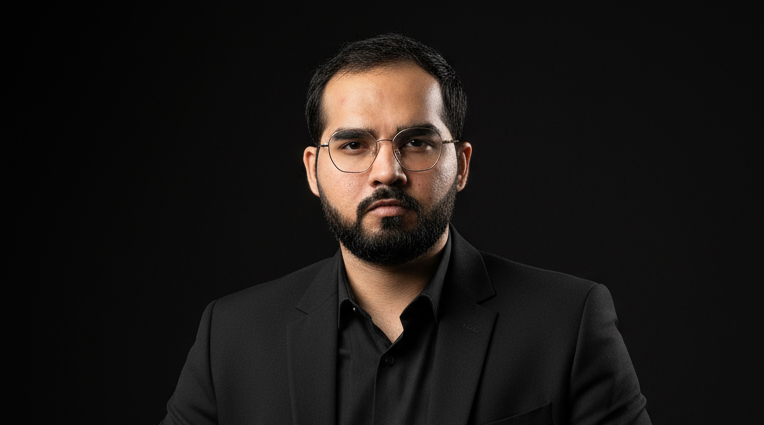
From Invisible to In-Demand: How TJ Avazona Turned Failure Into Authority Using Strategic Media Coverage
What was your life like BEFORE you addressed this issue in your life?
Before I truly understood how to leverage media and positioning, I was working nonstop but still felt invisible. I had the skills, the results, and the vision, yet my message was not landing at the level it deserved. Most opportunities required constant chasing, convincing, and explaining who I was and why I mattered. I relied heavily on hustle instead of leverage, which led to burnout and inconsistent growth. It felt like I was always one step behind where I knew I should be.
What emotions were you feeling BEFORE you dealt with the issue?
I felt frustrated, underestimated, and at times doubted myself. There was a quiet anxiety that no matter how hard I worked, I was not being seen as a true authority. I also felt pressure because I knew I was capable of more, but did not yet have the visibility to match my ambition. That gap between potential and perception was emotionally exhausting.
How was this issue affecting your life?
This lack of authority positioning affected both my business and personal confidence. Deals took longer to close and required more effort than necessary. I spent too much time proving instead of leading. It limited the caliber of clients and collaborations I could attract and slowed down my overall momentum. Most importantly, it kept me playing smaller than I was meant to.
What primary strategy or practice did you implement to address the issue?
I stopped trying to be everywhere and focused on being positioned correctly. I built a clear narrative around my expertise, failures, and results instead of hiding the struggles. I began using media as validation, not promotion, placing myself where trust already existed. I treated PR as a long term authority asset rather than a one time announcement. Most importantly, I aligned my message with impact, not ego.
Where did you hear about this strategy or practice?
I learned this through a mix of real world failure and studying how industry leaders were positioned. I noticed that the most respected founders were not necessarily the loudest, but the most visible in the right places. Over time, working inside media and branding confirmed that perception shapes opportunity faster than effort alone.
Please provide our readers with the individual strategic steps you took.
1. Get clear on your core message and what you want to be known for.
2. Identify media platforms your ideal audience already trusts.
3. Share your real story, including failures, lessons, and transformation.
4. Use media features to build authority, not just traffic.
5. Repurpose coverage across your website, social media, and sales process consistently.
How long did it take before you saw or felt changes occurring?
Within the first few months, I noticed a shift in how conversations started. People began reaching out already trusting me. Around six months in, opportunities became inbound instead of chased. Over the next year, the compound effect of consistent media positioning completely changed my business trajectory and personal confidence.
What challenges did you face along the way of your personal transformation?
One of the biggest challenges was overcoming the fear of being visible and judged. Sharing failures publicly felt uncomfortable at first. Another challenge was patience, because authority does not happen overnight. There were also moments of doubt when results were not immediate. Learning to stay consistent without external validation was a major test.
How did you address those challenges?
I reframed visibility as service rather than self promotion. I reminded myself that my story could help others avoid the same mistakes. I built systems instead of relying on motivation, which helped me stay consistent. I also surrounded myself with people who understood long term brand building. Most importantly, I committed to growth even when it felt uncomfortable.
What is life like for you now?
Today, my business runs with clarity and alignment. Clients come in already understanding my value. I spend more time creating, leading, and scaling instead of proving myself. The stress of chasing validation is gone, replaced by confidence and intentional growth. My work now feels purposeful instead of reactive.
From a broader perspective, what you have learned about yourself through this experience?
I learned that resilience is built through failure, not success. I discovered that my voice matters most when I stop trying to sound perfect. I learned that authority is earned through consistency and honesty, not hype. This journey showed me that clarity creates confidence and confidence attracts opportunity. Most of all, I learned that owning your story is the fastest way to own your future.
What advice would you give others facing this challenge?
Stop hiding your journey and start owning it. You do not need to be perfect to be powerful. Focus on being positioned, not just busy. Choose visibility with intention and patience. If I could simplify it, tell the truth, show up consistently, and let the right platforms amplify your voice.
What would you tell your younger self if you could go back?
I would tell myself to stop waiting for permission. Failure is not a sign to quit, it is proof you are building something real. I would say trust the process, even when it feels slow. And most importantly, believe that your story is your greatest asset.
If others reading this would like to connect with you to ask questions, are you open to that?
Yes, absolutely. The best way to connect with me is through my website or on social media via Instagram and LinkedIn by searching TJ Avazona.