
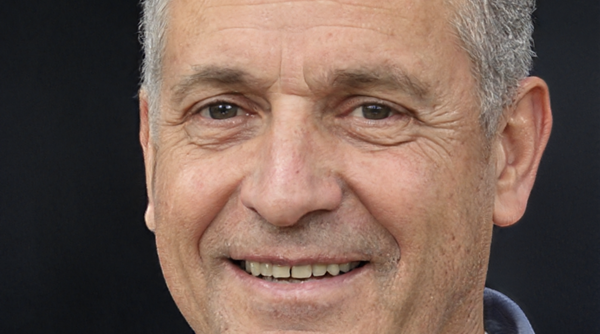
Mitchell Zong is a seasoned marketing professional based in Anchorage, Alaska, with a career defined by strategic clarity and disciplined execution. He brings more than ten years of experience in digital marketing, brand positioning, and audience development, helping organizations strengthen their visibility while staying grounded in practical business goals. His approach emphasizes structure, consistency, and alignment between messaging and measurable performance.
Growing up in Alaska shaped Mitchell’s perspective on resilience and long term thinking. He developed a strong interest in business strategy and communications early on, eventually building a career focused on guiding organizations through evolving market conditions. His work has centered on supporting small to midsized teams by refining their marketing foundations, improving campaign effectiveness, and ensuring that growth efforts are sustainable rather than reactive. His skill set includes market research, content strategy, paid and organic channel planning, and performance analysis.
Mitchell places strong value on the balance between data and narrative. He believes marketing is most effective when informed by evidence and delivered with clarity and intent. Known for his collaborative style, he works closely with stakeholders to develop thoughtful strategies that adapt over time instead of chasing short-lived tactics.
Beyond his professional work, Mitchell maintains an active connection to the Anchorage community and Alaska’s outdoor culture. He enjoys spending time outdoors, continuing his professional education, and offering guidance to early career marketers seeking practical, grounded advice. These experiences continue to influence his steady, principle-driven approach to marketing leadership.
What inspired you to pursue marketing as a long term career?
I was drawn to the mix of creativity and psychology. Marketing is one of the few fields where you can combine analytical thinking with human insight. Early on, I realized that understanding people mattered more than mastering tools. That perspective shaped how I approached every project and kept me engaged over time.
How has your approach to marketing evolved over the years?
In the beginning, I focused heavily on tactics, platforms, and execution. Over time, I shifted toward strategy, clarity, and consistency. I realized that long term results come from disciplined thinking rather than constant experimentation. Now I spend more time defining direction before thinking about execution.
What is one belief about marketing that you strongly disagree with?
I disagree with the idea that faster is always better. Speed can be useful, but it often leads to shallow decision making. Many brands rush campaigns without giving them time to develop. I believe a more thoughtful pace, combined with consistent execution, produces stronger and more reliable outcomes.
What motivates you to keep improving in your field?
Curiosity plays a big role. I am always interested in how consumer behavior shifts over time and how messaging adapts to those changes. There is also a sense of responsibility. When you work with brands, your decisions influence how they are perceived, so there is always room to improve.
How do you balance data with intuition in your work?
Data provides structure, but intuition adds context. I rely on data to identify patterns and measure performance, then use experience to interpret what those patterns mean. The balance comes from not over relying on one side. Both are necessary to make decisions that are practical and grounded.
What has been one of the most valuable lessons in your career so far?
One of the most valuable lessons has been learning to stay consistent even when results are not immediate. Early in my career, I would question strategies too quickly. Over time, I realized that many good ideas simply need time to show their impact.
How do you handle setbacks or campaigns that do not perform as expected?
I treat them as opportunities to learn rather than failures. Every campaign produces data, even if the outcome is not ideal. The key is to analyze what happened without overreacting. Small adjustments are often more effective than complete changes in direction.
What do you think sets successful marketers apart from the rest?
Clarity and discipline set strong marketers apart. It is easy to get distracted by trends or new tools, but the best marketers stay focused on their core message. They understand their audience and communicate with consistency, which builds trust over time.
Can you share something personal that has influenced your professional mindset?
Spending time in quieter environments has had a strong influence on how I think. It allows me to reflect and step back from constant noise. That habit has helped me approach problems with more clarity and patience, which carries over into my work.
What does success look like for you beyond your career?
Success beyond work is about balance and growth. It is important to keep learning, but also to make time for personal interests and relationships. A strong career should support a fulfilling life, not replace it.