
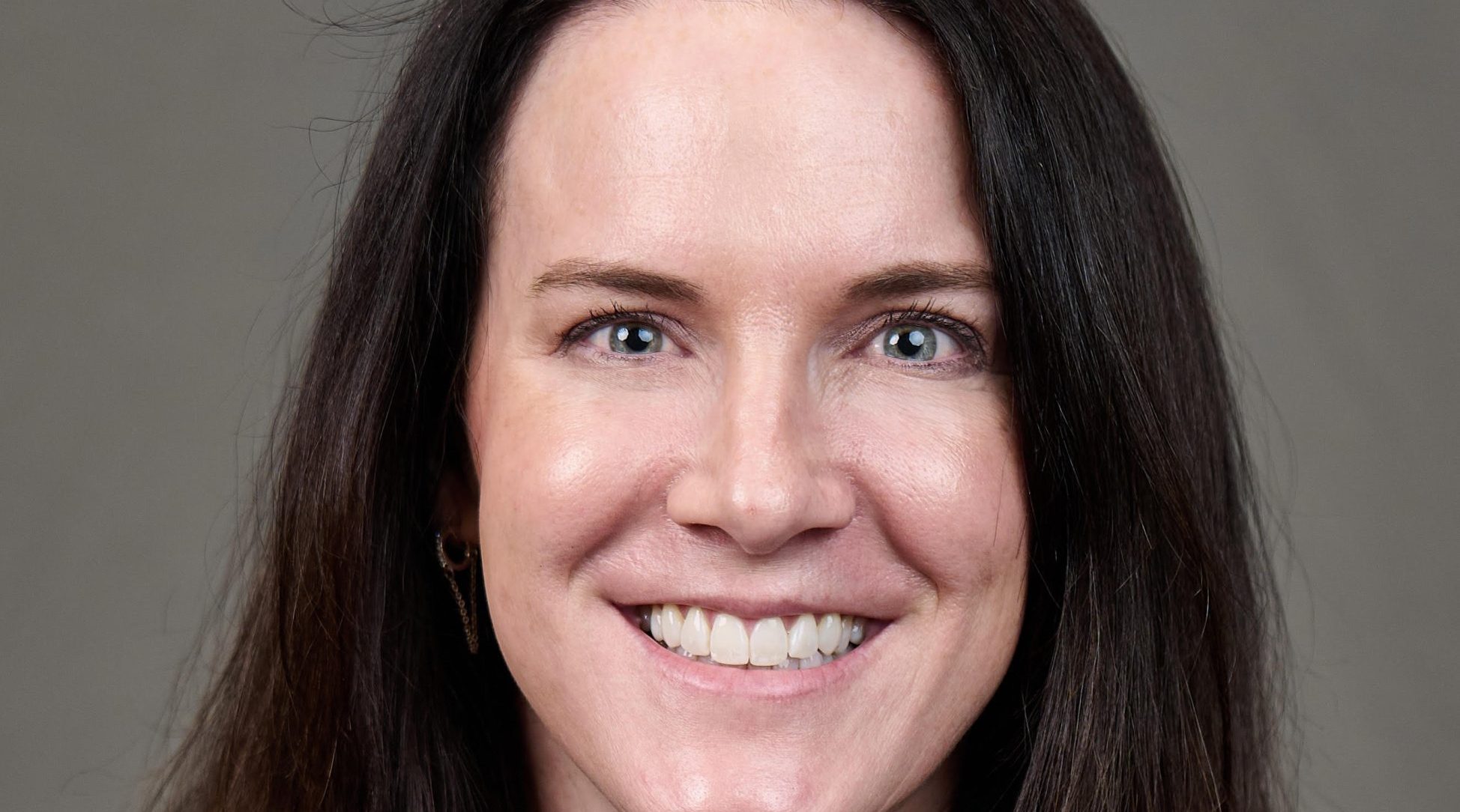
Lauren Nash is a dynamic meteorologist and science communicator who operates at the critical intersection of data, public safety, and community trust. With a career that bridges broadcast media and emergency management environments, she has developed a reputation for delivering clear, confident guidance when weather conditions demand immediate attention. Her work centers on one core principle: accurate information, communicated effectively, empowers people to make better decisions.
Trained in atmospheric science and experienced in real-time forecasting, Lauren has covered a wide range of severe weather events, translating complex meteorological models into practical, actionable messaging. She understands that during high-impact events, clarity is not optional. It is essential. Her communication style prioritizes precision, calm delivery, and transparency about evolving conditions. Audiences rely on her not only for forecasts, but for context that helps them interpret risk responsibly.
Lauren’s expertise extends beyond the studio. She has served within Emergency Operations Centers during major hurricanes, collaborating with emergency managers, public safety officials, and cross-functional response teams. In those high-stakes environments, she analyzed rapidly changing data and supported coordinated decision-making efforts designed to protect lives and infrastructure. These experiences sharpened her situational awareness and reinforced her belief that meteorology is fundamentally a public service profession.
Throughout her career, Lauren has contributed to nationally recognized weather coverage and educational programming, where she has demonstrated a talent for making atmospheric science accessible to broad audiences. She approaches science communication strategically, understanding that trust is built through consistency, accountability, and respect for the viewer. Her ability to maintain composure under pressure has made her a steady presence during uncertain moments.
In addition to her professional achievements, Lauren remains deeply committed to service and leadership development. She volunteers with organizations supporting individuals experiencing homelessness and actively participates in initiatives through her sorority and the Junior League. These roles reflect her broader commitment to strengthening communities both through information and direct engagement.
Today, Lauren continues to advance her work at the convergence of forecasting, crisis communication, and civic responsibility. She brings integrity, adaptability, and a solutions-oriented mindset to every role she undertakes. Guided by the belief that informed communities are resilient communities, she remains dedicated to ensuring that science serves people in meaningful, measurable ways.
Your career sits at the intersection of meteorology, public safety, and media. How do you define your role in today’s rapidly changing information landscape?
I see my role as both translator and steward. The volume of information available today can overwhelm people, especially during severe weather. My responsibility is to interpret complex atmospheric data and deliver it in a way that is accurate, calm, and useful. I do not view forecasting as simply presenting numbers or radar images. I view it as guiding decision making. In a fast-moving information cycle, credibility matters more than speed. I focus on verified data, clear language, and practical next steps. When people understand what is happening and what they should do, they feel more prepared and less reactive.
You have covered a wide range of severe weather events. What has been the most professionally defining moment of your forecasting career so far?
Serving inside an Emergency Operations Center during a major hurricane stands out as a defining experience. In that setting, forecasting becomes immediate and tangible. You see how each update influences evacuation decisions, resource deployment, and public messaging. I analyzed rapidly changing data while coordinating with emergency managers and public safety officials. The weight of responsibility felt very real because lives and infrastructure were directly affected. That experience strengthened my commitment to precision and clarity. It also reinforced that meteorology is not abstract science. It is a public service that requires focus, collaboration, and composure.
When weather conditions escalate quickly, how do you maintain composure and project calm authority?
Preparation builds confidence. I spend significant time reviewing models, historical patterns, and potential scenarios before stepping in front of a camera or into a briefing room. When conditions shift rapidly, I rely on that preparation. I also center myself on the purpose of my role. People look to meteorologists for guidance during uncertain moments. If I communicate with clarity and steady tone, it helps stabilize the broader conversation. I remind myself that accuracy and calm delivery can reduce anxiety. Staying focused on service rather than performance allows me to remain composed even in high pressure situations.
You often speak about clarity being essential rather than optional. What practical steps do you take to ensure your messaging remains accessible to broad audiences?
I begin by identifying the most important takeaway. What does the viewer need to know right now? I then structure my explanation around that point. I avoid technical terms unless they are necessary, and when I use them, I define them clearly. I also think about visuals. Graphics should support understanding, not overwhelm it. During live coverage, I repeat key safety information so it remains clear. I also acknowledge uncertainty honestly. When forecasts evolve, I explain why. Accessibility is not about simplifying science beyond recognition. It is about communicating with intention and respect for the audience.
How has your work inside Emergency Operations Centers shaped the way you approach broadcast communication?
Working alongside emergency managers and response teams sharpened my awareness of consequences. Inside an operations center, information drives real world action. That environment taught me to prioritize precision and timing. When I return to broadcast settings, I carry that same mindset. I understand that a family may be deciding whether to evacuate based on what I communicate. I emphasize actionable guidance and avoid speculation. I also appreciate collaboration more deeply. Weather communication does not happen in isolation. It supports a larger network of responders, planners, and community leaders who rely on consistent information.
In an era of social media and rapid information sharing, how do you protect the integrity of scientific communication?
I focus on verification and transparency. Social media can spread information quickly, but speed does not equal accuracy. Before sharing updates, I confirm data through reliable sources and official channels. If I post forecasts online, I provide context so viewers understand limitations and timelines. I also avoid dramatic language that may attract attention but distort reality. Integrity requires consistency. When people know that I will not exaggerate or speculate, they trust the information I provide. That trust becomes especially important during emergencies when rumors can spread faster than facts.
You have contributed to nationally recognized educational programming. Why is public science education so important to you?
Education builds resilience. When people understand basic atmospheric processes, they interpret forecasts more effectively. They recognize why conditions change and how probabilities work. In educational segments, I enjoy demonstrating concepts visually because it sparks curiosity. Science should feel approachable, not distant. If viewers grasp how storm systems develop or why certain warnings are issued, they respond more thoughtfully. Education also inspires future scientists. When young viewers see meteorology presented clearly and confidently, they may imagine themselves in similar roles. Strengthening scientific literacy benefits communities long before severe weather arrives.
Beyond forecasting, you remain active in community service. How does that work inform your professional mission?
Service grounds my work in real human experience. Volunteering with organizations that support individuals experiencing homelessness reminds me that weather impacts communities unevenly. Extreme temperatures and severe storms create heightened risk for vulnerable populations. My involvement with my sorority and the Junior League has also strengthened my leadership and organizational skills. Coordinating service initiatives requires planning, collaboration, and accountability. These same qualities matter in forecasting and emergency response. Community engagement keeps my perspective balanced. It reinforces that accurate information is one tool among many that supports safety and stability.
What misconceptions do you think people have about meteorology as a profession?
Many people see meteorology primarily as television presentation. In reality, the profession requires rigorous scientific training and continuous analysis. Forecasting involves interpreting complex models, evaluating uncertainty, and synthesizing multiple data sources. Another misconception is that forecasts should always be exact. Weather systems are dynamic, and probabilities shift as new data emerges. Communicating that uncertainty responsibly is part of the job. Meteorology combines science, technology, and public communication. It demands both analytical skill and emotional intelligence. Understanding these layers helps people appreciate the depth and responsibility behind each forecast.
As you look ahead, what legacy do you hope to build in the field of meteorology and public service?
I hope to be remembered as someone who strengthened trust between science and community. My goal is not simply to forecast accurately, but to communicate in ways that empower action. I want to mentor emerging meteorologists who value both technical expertise and ethical communication. I also plan to remain involved in emergency response collaboration and public education initiatives. If communities feel more informed and more confident because of my work, that will matter most. Meteorology touches everyday life. Contributing to safer, stronger communities through clear science is the legacy I strive to build.