
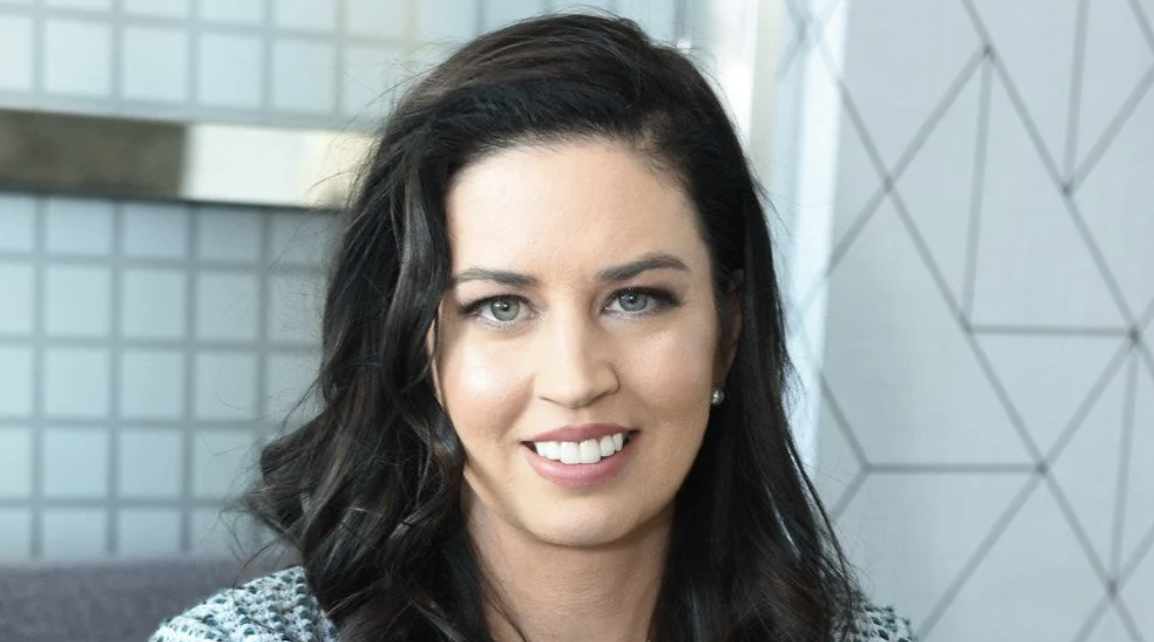
Elizabeth Fraley, Founder and CEO of Kinder Ready, Inc., has devoted her career to creating meaningful, engaging educational experiences for young learners in Los Angeles. Her company offers comprehensive early learning programs—including assessments, tutoring, private school preparation, and parent consultations—that are personalized to meet each child’s individual strengths and goals. Kinder Ready’s mission is simple yet powerful: to prepare children for academic and social success through early intervention and family collaboration.
Elizabeth began her professional journey as director of an early elementary program, where she discovered the transformative power of customized education. Recognizing that every child learns differently, she launched Kinder Ready to help children build confidence and curiosity from the start. Her approach blends structured academics with progressive, hands-on methods that make learning enjoyable and effective.
Her expertise has earned recognition in TIME Magazine, Forbes, The Los Angeles Times, The Hollywood Reporter, CBS Local, and SF Gate. She has been featured on Hallmark’s Home & Family and contributes regularly to HuffPost. Additionally, her expert insights on at-home learning were published in Dan Bova’s Popular Mechanics book, offering guidance to parents across the country.
Elizabeth was recently honored as Educator of the Year by Los Angeles County for her community impact. Her commitment to early education extends beyond the classroom—she believes planning ahead and prioritizing early learning opportunities can shape a child’s future. Through Kinder Ready, she continues to empower young minds, support families, and redefine what it means to be “school ready.”
How do you define “school readiness,” and why do you believe the traditional definition often falls short for young learners?
School readiness goes far beyond academic benchmarks like knowing letters or numbers. I define school readiness as a child’s ability to approach learning with confidence, curiosity, and emotional resilience. Many traditional models focus heavily on output rather than preparedness. A child may perform well academically yet struggle with independence, communication, or adapting to new routines. These areas often determine how successful a child feels in a school setting. I believe readiness means a child feels safe trying, comfortable asking questions, and capable navigating challenges. When children feel emotionally secure and confident, academic growth happens more naturally and sustainably.
You emphasize family collaboration as a core part of Kinder Ready’s philosophy. How does this partnership impact student success?
Family collaboration transforms education from something that happens during sessions into something that becomes part of daily life. When parents understand how their child learns, they can support progress without pressure or confusion. I spend time helping families recognize developmental patterns and realistic expectations. This clarity reduces anxiety and builds consistency. Children thrive when they receive the same encouragement at home that they experience during instruction. Parents become confident guides rather than anxious observers. That partnership creates trust, stability, and motivation for children, which directly influences their willingness to engage, persist, and grow academically and emotionally.
What early indicators suggest a child may benefit from personalized academic support?
Parents often notice subtle behaviors before challenges become visible in formal settings. Signs such as frequent frustration, avoidance of learning tasks, difficulty focusing, or a drop in confidence can signal a need for individualized support. These indicators do not mean something is wrong. They simply suggest that a child may benefit from a learning approach better aligned with their developmental needs. I encourage families to look for patterns rather than isolated moments. Early intervention helps children build skills while maintaining confidence. Addressing concerns early prevents unnecessary stress and allows learning to remain positive and empowering.
Private school preparation can feel stressful for families. How does Kinder Ready approach this process differently?
Private school preparation should never feel intimidating for children or families. I focus on helping children understand expectations while building confidence and independence. Preparation includes academic readiness, but it also emphasizes communication, adaptability, and comfort in new environments. When children feel familiar with routines and expectations, they approach assessments more calmly. I prioritize preparation through understanding rather than pressure. Families appreciate that children feel supported rather than overwhelmed. This approach allows children to present their authentic abilities while maintaining emotional well-being. Preparation becomes a confidence-building experience rather than a high-pressure performance.
Why do you believe early planning plays such a critical role in long-term academic success?
Early planning creates clarity and reduces stress for both children and parents. When families understand timelines, developmental milestones, and realistic expectations, they can make thoughtful decisions rather than rushed ones. Planning ahead allows time to address challenges proactively and reinforce strengths gradually. Children benefit from a steady pace that aligns with their development. I have seen how early planning prevents frustration and builds confidence. It shifts education from reactive problem-solving to intentional growth. Thoughtful planning helps children develop skills at the right time and in the right way.
What misconceptions about early learning do you encounter most often among parents?
One common misconception is that learning must always look formal to be effective. Parents sometimes worry when learning feels playful or exploratory. In reality, engagement and understanding often deepen through hands-on experiences. Another misconception involves comparison. Families may feel pressure to measure their child against peers rather than focusing on individual growth. Development does not follow a uniform timeline. I help parents reframe progress as personal rather than competitive. When families release these misconceptions, learning becomes more enjoyable and productive. Children gain confidence and parents feel reassured.
Your work has been featured nationally. How do you remain grounded while navigating increased visibility?
Media recognition provides an opportunity to share ideas, but my focus always returns to the children and families I work with. Staying grounded means prioritizing quality and integrity over visibility. I approach every session with the same care regardless of recognition. The trust families place in me matters most. Visibility motivates me to maintain high standards and remain thoughtful in my work. I view recognition as a responsibility rather than an endpoint. Staying connected to the daily work ensures my values remain clear and consistent.
How does emotional development influence academic growth during early childhood?
Emotional development plays a foundational role in learning. Children who can manage frustration, express needs, and recover from setbacks approach academics with greater confidence. Emotional skills support focus, persistence, and adaptability. I integrate emotional awareness into instruction by encouraging reflection and problem-solving. When children feel emotionally supported, they engage more willingly with challenges. This balance helps learning feel safe and rewarding. Emotional development strengthens academic outcomes by creating resilience and confidence that extends beyond the classroom.
What did being named Educator of the Year reinforce about your approach to early education?
The recognition reinforced the value of personalized, thoughtful education. It affirmed that focusing on confidence, development, and family collaboration creates meaningful impact. The recognition encouraged me to continue refining my approach and advocating for early intervention. It highlighted the importance of meeting children where they are rather than forcing rigid expectations. This acknowledgment strengthened my commitment to quality and integrity. It reminded me that meaningful education influences not just academic outcomes, but lifelong attitudes toward learning.
What do you hope families ultimately take away from their experience with Kinder Ready?
I want families to leave feeling confident and informed. Education should feel manageable, not overwhelming. When parents understand their child’s learning journey, they can support growth without anxiety. I hope children leave feeling capable, curious, and proud of their progress. That confidence extends beyond academics into how they approach challenges in life. Kinder Ready aims to provide families with clarity, support, and tools that empower both children and parents long after instruction ends.