
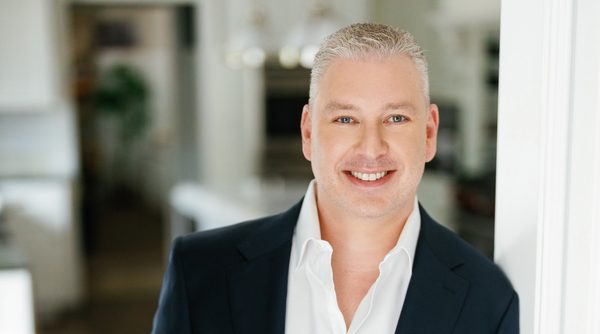
Dr. David Pincus is a board-certified plastic surgeon and the founder of Pincus Plastic Surgery, where he delivers advanced surgical and non-surgical aesthetic treatments designed with precision and discretion. His work is defined by refinement, balance, and a deep respect for individual anatomy. With an unwavering commitment to safety and natural outcomes, Dr. Pincus has cultivated a reputation for producing elegant results that enhance confidence without compromising authenticity.
His expertise spans a comprehensive range of cosmetic procedures, including breast surgery, body contouring, facial rejuvenation, gynecomastia correction, injectables, and advanced skin-tightening therapies. Each treatment is thoughtfully tailored, guided by meticulous planning, anatomical mastery, and meaningful dialogue. Dr. Pincus understands that exceptional outcomes are never formulaic; they are the result of customization aligned with a patient’s structure, lifestyle, and long-term vision.
Renowned for his measured aesthetic judgment, Dr. Pincus prioritizes proportion, harmony, and subtle enhancement over trend-driven exaggeration. He remains actively engaged with evolving technologies and evidence-based techniques, ensuring patients benefit from modern innovation without compromising safety or integrity.
Equally important is his dedication to education and transparency. Dr. Pincus believes informed patients make empowered decisions. From consultation through recovery, he provides clarity, structure, and guidance at every stage. His practice reflects a contemporary, elevated approach to aesthetic medicine grounded in discretion, professionalism, and enduring patient relationships.
Through Pincus Plastic Surgery, Dr. David Pincus continues to deliver results that align with each patient’s personal vision while upholding the highest standards of care.
Plastic surgery continues to evolve rapidly. What changes are you seeing in the way patients approach aesthetic procedures today?
Patients approach aesthetic surgery with a level of intention and discernment that was far less common in previous decades. Consultations now begin with informed conversations. Many individuals arrive having researched procedures extensively and with thoughtful questions about recovery, longevity, and long-term planning.
What has shifted most significantly is perspective. Patients are no longer seeking dramatic transformation. They are pursuing refinement. The goal is to look aligned with how they feel internally, refreshed rather than altered. There is also a notable emphasis on longevity. Patients want to understand how results will mature over time and integrate with their lifestyle. This measured, forward-thinking mindset elevates the entire field.
You often emphasize natural-looking outcomes. What does that mean to you in practical terms?
Natural results are achieved by honoring anatomy and preserving proportion. My philosophy centers on harmony rather than exaggeration. Every face and body possesses inherent structure and character. My responsibility is to enhance those attributes without distorting them.
In practice, that means precise measurements, conservative adjustments, and candid dialogue about realistic expectations. The most successful outcome is one that appears effortless. When others observe that someone looks well-rested, confident, or vibrant without identifying a specific change, that is true aesthetic balance. The objective is enhancement without obvious intervention.
How do you personalize treatment plans for such a wide range of procedures, from surgical to non-surgical care?
Personalization begins with attentive listening. Before discussing technical details, I seek to understand a patient’s motivations, lifestyle, and priorities. A successful treatment plan must complement how someone lives, not simply how they wish to look.
For surgical procedures, I evaluate anatomical structure, skin integrity, and long-term projection. For non-surgical treatments such as injectables or skin tightening, I analyze facial movement, volume distribution, and subtle asymmetries. No two plans are identical. Even when patients request the same procedure, their anatomical nuances and personal goals demand individualized strategies. This deliberate customization is what produces results that feel authentic and enduring.
Gynecomastia and male aesthetic procedures are gaining attention. What stands out to you about this shift?
There is a growing acknowledgment among men that aesthetic procedures can address concerns that have persisted quietly for years. Gynecomastia often carries a significant emotional burden. Many patients describe avoiding certain clothing or activities due to chest fullness. When corrected, the transformation extends beyond the physical. It restores ease and confidence.
Men are also increasingly open to facial refinement and non-surgical enhancements that maintain strong, masculine features. The emphasis remains subtlety. This cultural shift reflects a broader acceptance of self-care. Confidence and refinement are universal aspirations, not confined by gender.
What role does technology play in your practice today?
Technology enhances precision, but it never replaces clinical judgment. I remain attentive to advancements in both surgical technique and non-surgical devices because innovation can improve safety, recovery, and outcomes.
However, every technology must earn its place through evidence and reliability. It should support sound surgical principles rather than dictate them. The foundation remains anatomical expertise, careful planning, and experience. When innovation aligns with those fundamentals, it becomes a powerful extension of care. When it distracts from them, it has no place in practice.
Many patients feel overwhelmed by information online. How do you guide them through that process?
The abundance of online information often generates confusion rather than clarity. Patients encounter contradictory advice, curated images, and unrealistic portrayals of recovery. My role is to simplify and contextualize.
During consultations, I focus on transparency. I outline what a procedure can achieve, how results evolve, and what recovery realistically entails. I encourage thoughtful questions and provide direct, measured answers. When patients understand both the benefits and limitations, they approach decisions with confidence rather than uncertainty. That clarity builds trust and ultimately enhances satisfaction.
How do you approach safety in both surgical and non-surgical procedures?
Safety is non-negotiable. In surgical settings, this includes comprehensive medical evaluation, accredited facilities, and strict adherence to established protocols. For non-surgical treatments, it involves precise dosing, proper technique, and responsible patient selection.
Equally important is discernment. Not every individual is an appropriate candidate for every procedure. Responsible care sometimes requires declining treatment. I also emphasize detailed preoperative and postoperative guidance so patients clearly understand their role in achieving optimal results. When safety remains the cornerstone, excellence follows.
What do you believe sets your practice apart in a competitive field?
Consistency distinguishes my practice. Patients can expect thoughtful consultation, honest feedback, and meticulous execution at every stage. I do not pursue trends. I pursue balance, proportion, and durability of results.
Discretion and professionalism define the patient experience. From initial consultation through recovery, the environment is structured, refined, and respectful. Many patients return years later because they trust the continuity and steadiness of care. Reputation is built through reliability, not marketing.
How do you manage patient expectations, especially in an era of filters and social media?
Digital platforms frequently present altered images that distort anatomical reality and recovery timelines. I address this directly and proactively. I explain how lighting, editing, and temporary swelling can create misleading impressions.
My approach is to ground expectations in biological truth. I present examples that reflect natural outcomes and discuss what is realistically achievable within a specific anatomy. Aligning goals with medical reality creates comfort and confidence. Managing expectations is not about limiting aspiration. It is about ensuring results are rooted in fact rather than illusion.
Looking ahead, how do you see aesthetic medicine evolving over the next decade?
Aesthetic medicine will continue progressing toward personalization and preventative strategy. Patients will seek earlier interventions designed to maintain rather than dramatically reverse change. Non-surgical modalities will expand, yet surgery will remain essential for structural refinement.
Education and transparency will become increasingly important as patients demand measurable outcomes and clear communication. Ultimately, the field will favor practitioners who prioritize precision, safety, and authenticity. My focus remains on continual refinement of technique, disciplined evaluation of innovation, and delivering care that honors individuality while upholding uncompromising standards.