
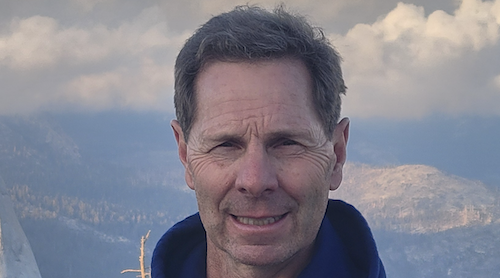
For Barry (Baz) Nixon, serving veterans has never been limited to his 21 years in the U.S. Air Force. Since retiring as a logistics and contracting officer, Baz has dedicated his second career to ensuring that nonprofit organizations serving veterans—and other at-risk populations—have the funding and resources they need to succeed.
Through his consultancy, Blue Sky Grant Services, LLC, Baz currently partners with several veteran-focused organizations. One provides mental health support through equine-assisted therapy, helping veterans process trauma in a supportive and innovative environment. Another works with justice-involved veterans, offering reintegration programs that reduce recidivism, prevent suicide, and even create peer-to-peer outreach for active-duty service members at risk of entering the justice system. A third client uses art as a therapeutic outlet, giving veterans opportunities for healing and self-expression.
Baz’s impact extends far beyond proposal writing. He has authored more than 360 grant proposals and secured over $12 million in funding, enabling nonprofits nationwide to expand services and sustain programs that directly improve lives. His knowledge of government processes, compliance systems, and nonprofit management ensures his clients can focus on what they do best: supporting those who served.
His approach reflects the same principles that guided him in uniform: discipline, adaptability, and a deep commitment to service. From delivering humanitarian relief in Sumatra after the earthquake to managing multimillion-dollar logistics operations during the War on Terror, Baz has always sought to make a difference where it matters most. Today, he brings that same drive to the nonprofit sector.
Barry (Baz) Nixon’s journey proves that the mission continues beyond military service. By equipping veteran-serving organizations with the tools and resources they need, he continues to uplift the community he knows best. His career is a testament to resilience, adaptability, and lifelong service.
What inspired you to build a second career in the nonprofit sector after retiring from the Air Force?
My inspiration came from the realization that service is not tied to a uniform. During my military years, I saw the impact of humanitarian relief, mentorship, and steady leadership during difficult situations. When I retired, I wanted to continue serving, but in a way that supported people who were falling through gaps in the system. Veterans face challenges that are often hidden from public view, and many nonprofits doing incredible work lacked the funding to sustain their programs. I knew I could help by bringing organization, structure, and persistence to their efforts. That sense of purpose pulled me into this field.
How did your experience in logistics and contracting influence the way you support nonprofits today?
My logistics background trained me to manage complex tasks by breaking them into clear, actionable steps. That skill translates directly into grant development and nonprofit planning. In the military, every detail mattered, and that discipline carried over into how I support clients. I help them stay organized, understand compliance requirements, and prepare for long term sustainability instead of short term wins. Contracting taught me to read regulations carefully and anticipate challenges before they show up. These habits help nonprofits strengthen their foundations so they can grow confidently. The structure I learned in uniform remains one of the biggest assets I bring to this work.
What drives your commitment to supporting veteran-focused programs, especially those using equine therapy, art therapy, and reintegration services?
What drives me is seeing how these programs open doors that traditional systems often overlook. Many veterans respond to alternative approaches because they address both emotional and physical needs. Watching an organization use horses to help someone work through trauma or seeing art give someone a voice again reminds me why these programs matter. Reintegration work, especially for justice-involved veterans, is equally important. These individuals need more than punishment. They need guidance, support, and a path back to stability. When I help a nonprofit secure funding for these services, I know the impact reaches far beyond one person. It affects families, communities, and futures.
What challenges do you often see nonprofits face when seeking funding, and how do you help them overcome those obstacles?
One of the biggest challenges nonprofits face is not a lack of passion but a lack of systems. A strong mission can get attention, but funders want structure, clear goals, measurable outcomes, and sustainability. Many organizations get overwhelmed by compliance requirements or complicated application processes. I step in by building clarity into their operations and helping them create repeatable systems. I also encourage them to communicate their stories with honesty instead of trying to sound overly formal. When organizations learn how to pair strong structure with authentic storytelling, they become far more competitive. Helping them reach that balance is one of the most rewarding parts of my work.
How do you approach working with justice-involved veterans and the organizations that support them?
My approach begins with respect. Justice-involved veterans are often dealing with trauma, hardship, and a sense of isolation. They need programs that treat them as people, not statistics. I partner with nonprofits that understand this and work to provide practical, meaningful support. My role is to help those organizations secure the resources to expand their reach and strengthen their programs. Reintegration requires consistency, long term planning, and emotional support. I focus on helping nonprofits build the systems necessary to sustain those efforts. When programs have stable funding, they can prevent recidivism and guide veterans back toward a healthier and more purposeful life.
What personal experiences from your military career continue to guide your work today?
Several moments from my career guide me daily. Providing humanitarian relief after the Sumatra earthquake is one example. Seeing people rebuild from almost nothing taught me the value of resilience and community support. Working in high-pressure logistics operations during the War on Terror showed me the importance of preparation and teamwork. Those experiences taught me that even in the hardest circumstances, people can recover when they have support. That belief shapes how I view nonprofit work. I see every grant as a tool that helps someone rebuild, find stability, or discover a new sense of purpose. That connection keeps me grounded and motivated.
How do you ensure your work remains mission-driven rather than purely administrative or transactional?
I stay connected to the missions of the organizations I support. I meet the people they serve, listen to their challenges, and understand their goals. That helps me see each proposal as more than paperwork. It becomes a chance to open doors for someone who needs it. I also remind myself that funding is not the end goal. It is a means to help organizations fulfill their missions. By focusing on outcomes, not just deadlines, the work stays meaningful. I stay involved in strategy, planning, and organizational development so I can help nonprofits think long term instead of only chasing immediate needs.
What do you believe nonprofits must do today to remain strong and sustainable in the future?
Nonprofits need to build strong internal systems and invest in organizational readiness. Passion is important, but it must be supported by data tracking, clear goals, and reliable processes. Diversifying funding streams is also critical. Relying on a single grant or donor can create instability. I encourage organizations to blend grants with community partnerships, corporate support, and individual giving. Technology also plays a major role. It can streamline operations and strengthen communication. Most importantly, nonprofits should stay flexible. The needs of veterans and other populations shift constantly. Organizations that adapt while staying true to their mission will remain strong and relevant.
What advice would you give to someone entering the nonprofit sector who wants to make a meaningful difference?
My advice is to stay patient and commit to learning. The nonprofit world often moves slower than people expect, and impact takes time. Focus on building relationships, understanding community needs, and listening more than you speak. Do not chase every opportunity. Instead, choose work that aligns with your values and gives you room to grow. Seek mentors who understand both the mission side and the business side of nonprofit work. Most importantly, stay mission-driven. When you remember who you’re serving and why the work matters, you will find the persistence to keep going even when challenges appear.
What does “service beyond the uniform” mean to you today, and how does it shape your long-term vision?
Service beyond the uniform means continuing to uplift others even after military life ends. It means using the skills, discipline, and perspective gained through service to create positive change in the civilian world. My long-term vision is to help more nonprofits build stability so they can expand the lifelines they provide. I want Blue Sky Grant Services to remain a partner that organizations trust when they face challenges. I also hope to mentor veterans entering the nonprofit space so they can use their experience for meaningful work. To me, service is not a chapter of life. It is the throughline that shapes everything I do.